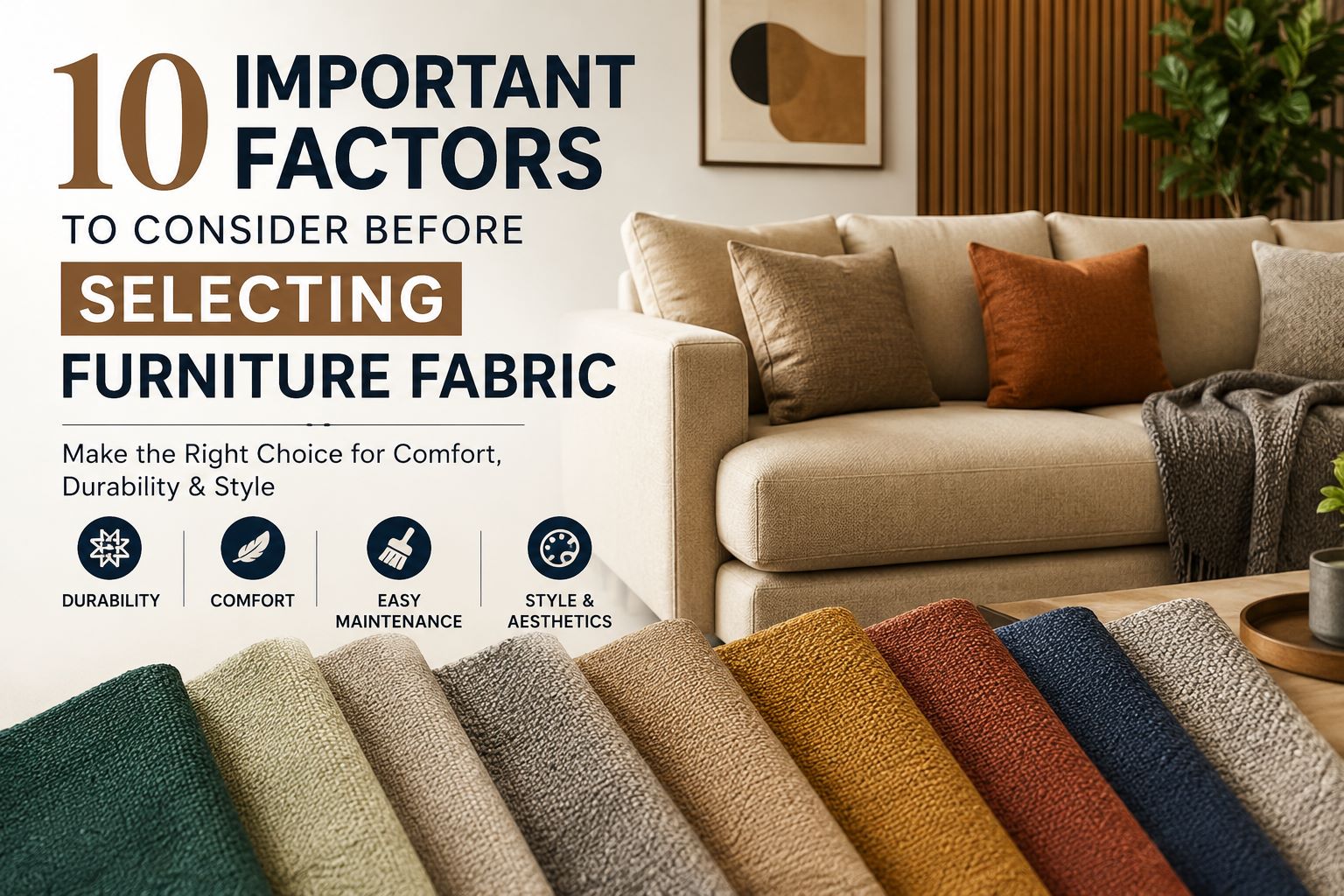
10 Important Factors to Consider Before Selecting Furniture Fabric
Introduction
Choosing furniture fabric may seem like a simple decision,
but it often becomes one of the biggest factors affecting the comfort,
appearance, and lifespan of your furniture. Many homeowners focus on furniture
design, color, or wood quality while overlooking the upholstery fabric that
they will interact with every day.
The truth is that even the most beautiful sofa, lounge
chair, or dining chair can lose its appeal if the fabric is uncomfortable,
difficult to maintain, or unsuitable for the environment. Whether you're
furnishing a home, hotel, restaurant, or office, selecting the right fabric can
save money, improve durability, and enhance overall aesthetics.
In this guide, we'll explore the 10 most important factors
to consider before selecting furniture fabric, helping you make an informed
investment that balances style, comfort, and long-term performance.
What Should You Consider Before Selecting Furniture
Fabric?
When selecting furniture fabric, consider durability,
comfort, maintenance requirements, colour, texture, usage frequency, climate
suitability, stain resistance, budget, and overall interior style.
Key factors include:
- Fabric
durability
- Comfort
and feel
- Ease
of cleaning
- Colour
and design
- Budget
considerations
Why Choosing the Right Furniture Fabric Matters
Furniture fabric is not just about appearance. It directly
impacts seating comfort, maintenance efforts, and furniture durability.
The right upholstery can:
✔ Improve comfort for daily use
✔ Increase furniture lifespan
✔ Enhance home décor aesthetics
✔ Reduce maintenance costs
✔ Create a premium look and feel
For commercial environments such as hotels, restaurants, and
offices, selecting the wrong fabric can lead to frequent replacements and
higher long-term expenses.
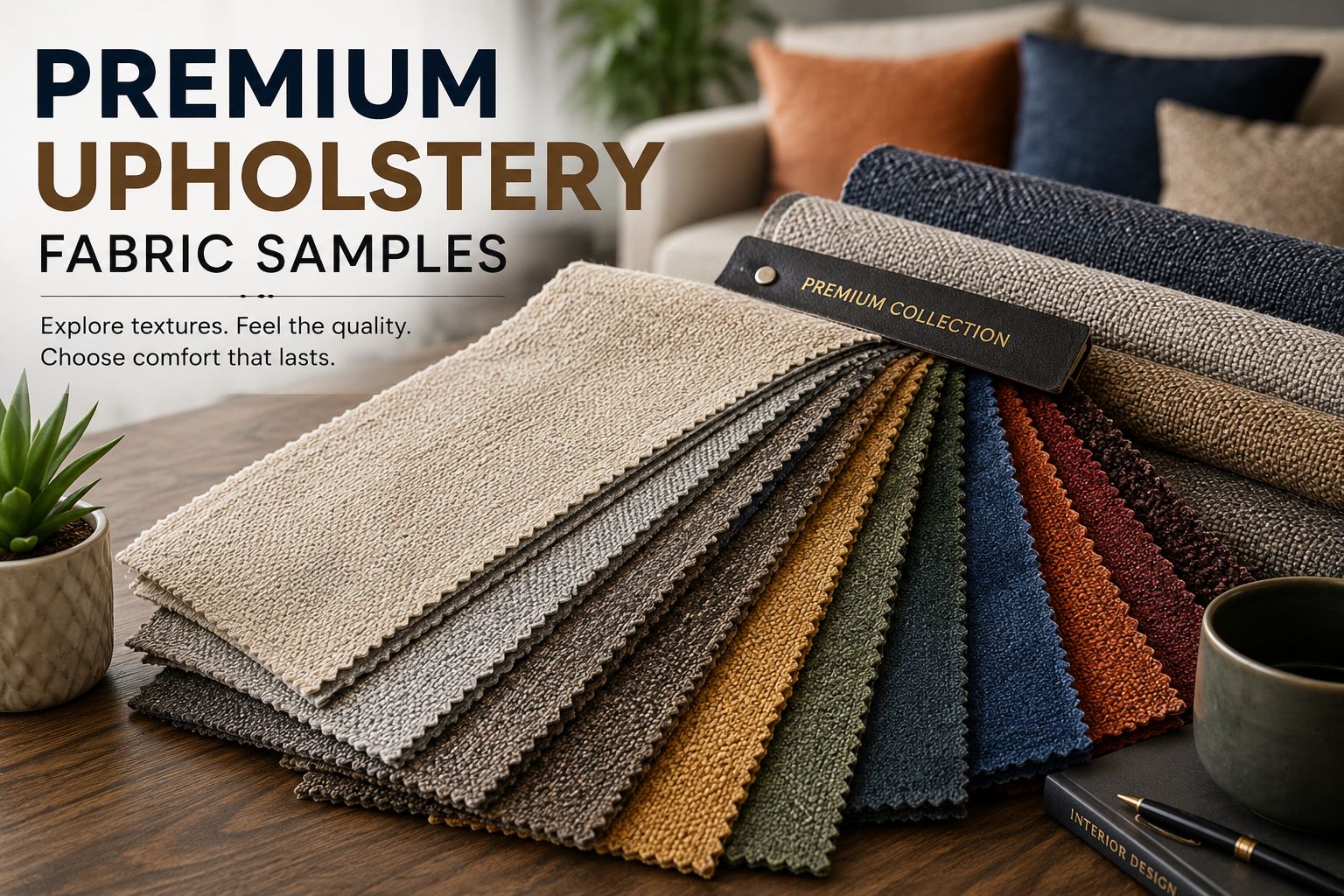
Different furniture fabrics offer varying levels of comfort, durability, and maintenance requirements
1. Understand the Purpose and Usage
The first question to ask is:
Where will the furniture be used?
Different spaces require different fabric performance
levels.
|
Area |
Recommended Fabric Features |
|
Living Room |
Durable, stain-resistant |
|
Bedroom |
Soft and comfortable |
|
Hotel Lobby |
Premium appearance and heavy-duty performance |
|
Restaurant |
Easy-to-clean fabrics |
|
Office Lounge |
Durable and professional look |
For example, a family sofa used daily requires stronger
upholstery than an accent chair used occasionally.
2. Evaluate Fabric Durability
Durability should be one of your top priorities.
High-traffic furniture experiences:
- Frequent
sitting
- Friction
- Dust
accumulation
- Sunlight
exposure
Popular durable fabric options include:
- Polyester
blends
- Olefin
fabrics
- Performance
fabrics
- High-quality
suede alternatives
- Commercial-grade
upholstery
Durability Comparison
|
Fabric Type |
Durability |
Maintenance |
|
Cotton |
Medium |
Moderate |
|
Linen |
Medium |
High |
|
Polyester |
High |
Easy |
|
Velvet |
Medium-High |
Moderate |
|
Leatherette |
High |
Easy |
Important: Always balance durability with comfort
rather than selecting solely based on toughness.
3. Prioritize Comfort and Seating Experience
Comfort becomes crucial for furniture used regularly.
Whether it's a sofa, ergonomic chair, lounge chair, or
dining chair, the upholstery should feel pleasant against the skin.
Look for:
- Breathability
- Soft
texture
- Suitable
thickness
- Temperature
adaptability
A fabric that looks luxurious but feels uncomfortable can
negatively affect the overall user experience.
Pro Tip
Request fabric samples before making a final decision.
Touching and testing the material provides better insight than viewing photos
alone.
4. Consider Fabric Texture and Visual Appeal
Texture significantly influences furniture aesthetics.
Popular options include:
- Smooth
fabrics
- Velvet
finishes
- Suede
fabrics
- Textured
woven fabrics
- Leather-look
materials
For modern interiors, clean and subtle textures often work
best.
For luxury environments, velvet and premium textured fabrics
create a sophisticated appearance.
Soft Consultation
Planning custom furniture for your home, hotel, or
restaurant? Discuss fabric options with experienced furniture professionals
before finalizing your design to ensure the perfect balance of comfort and
durability.
Fabric texture plays a major role in both comfort and interior aesthetics

5. Match Fabric with Interior Design Style
Your furniture fabric should complement the surrounding
décor.
For example:
|
Interior Style |
Recommended Fabric |
|
Modern |
Neutral textured fabrics |
|
Luxury |
Velvet and premium suede |
|
Minimalist |
Plain woven fabrics |
|
Contemporary |
Mixed textures |
|
Hospitality |
Commercial-grade upholstery |
The right combination of fabric and wood finish creates a
cohesive visual appearance.
This is especially important for solid wood chair
collections and custom furniture projects.
6. Check Stain Resistance and Maintenance Needs
Households with children, guests, or pets should prioritize
easy maintenance.
Consider:
- Spill
resistance
- Dust
resistance
- Washability
- Color
retention
Ask suppliers:
- Is
the fabric stain-resistant?
- Can
it be cleaned at home?
- Does
it require professional cleaning?
Lower maintenance requirements often result in better
long-term satisfaction.
7. Compare Fabric Materials Carefully
Different materials provide different benefits.
Natural Fabrics
Cotton
- Soft
- Breathable
- Comfortable
Linen
- Premium
appearance
- Natural
texture
- Elegant
look
Synthetic Fabrics
Polyester
- Durable
- Affordable
- Easy
maintenance
Microfiber
- Soft
- Stain-resistant
- Family-friendly
Blended Fabrics
Many premium furniture manufacturers use blends that combine
durability and comfort.
This often provides the best overall value.
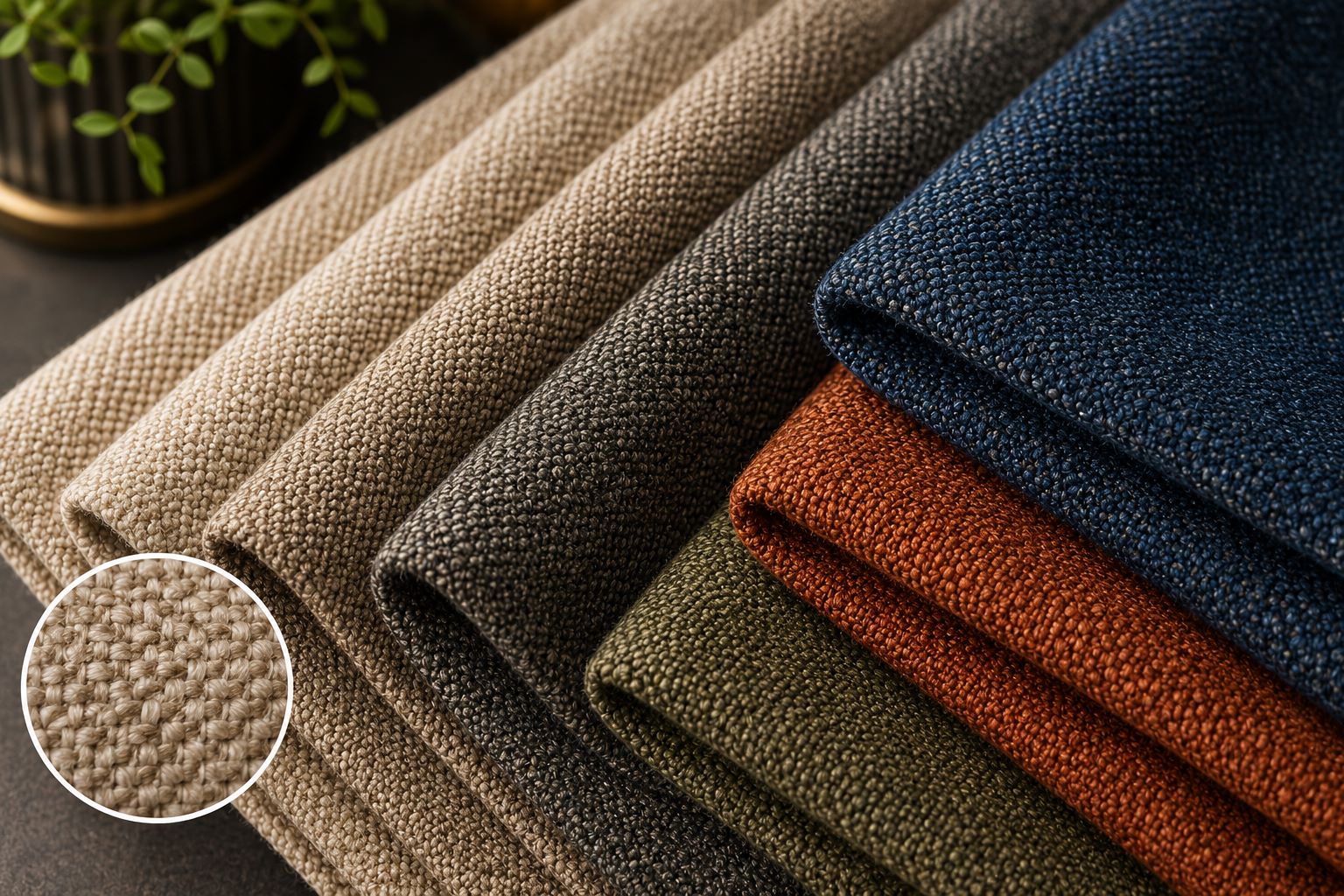
Fabric material selection directly affects durability, maintenance, and comfort
8. Understand Furniture Fabric Costs in India
Fabric pricing varies significantly based on quality and
composition.
Approximate Upholstery Fabric Price Guide
|
Fabric Type |
Price Range (Per Meter) |
|
Basic Polyester |
₹150–₹400 |
|
Premium Polyester |
₹400–₹900 |
|
Velvet |
₹600–₹1,500 |
|
Suede |
₹700–₹2,000 |
|
Imported Upholstery Fabric |
₹1,500–₹5,000+ |
Remember that fabric cost is only one component. Upholstery
workmanship and furniture construction quality are equally important.
9. Consider Climate and Environmental Conditions
India's diverse climate affects furniture performance.
In humid regions:
- Breathable
fabrics perform better.
- Moisture-resistant
materials are preferable.
In areas with strong sunlight:
- UV-resistant
fabrics help reduce fading.
This consideration is often overlooked but can significantly
affect furniture longevity.
Common Mistakes
Many buyers choose fabric based only on colour.
They ignore:
- Durability
- Maintenance
- Climate
suitability
- Usage
frequency
This often leads to premature wear and dissatisfaction.
10. Choose a Reliable Furniture Manufacturer
Even the best fabric cannot compensate for poor furniture
construction.
Quality furniture combines:
- Strong
framework
- Proper
cushioning
- Skilled
upholstery work
- Premium
materials
When comparing suppliers, evaluate both fabric options and
manufacturing expertise.
Many buyers searching online for a furniture shop near me
focus only on pricing, while overlooking craftsmanship and after-sales support.
Local Expertise for Furniture Buyers
If you're located in Dehradun or elsewhere in Uttarakhand,
working with an experienced furniture manufacturer can simplify the fabric
selection process.
Professional guidance helps match upholstery materials with
usage requirements, design preferences, and budget expectations.
Why Choose Wooden City Interior
At Wooden City Interior, we understand that furniture is a
long-term investment.
Our approach combines:
✅ High-quality materials
✅ Skilled craftsmanship
✅ Custom furniture solutions
✅ Wide upholstery selections
✅ Attention to comfort and
durability
✅ Residential and commercial
expertise
Whether you're furnishing a luxury home, restaurant, hotel,
office, or hospitality project, our team helps you select fabrics that balance
style, comfort, and performance.
Key Takeaways
- Choose
fabric based on actual usage, not just appearance.
- Prioritize
durability for high-traffic furniture.
- Always
consider maintenance requirements.
- Match
upholstery with your interior design style.
- Work
with experienced furniture manufacturers for better long-term value.
FAQs
What is the most durable furniture fabric for Indian
homes?
Polyester blends, microfiber, and commercial-grade
upholstery fabrics are among the most durable options. They offer excellent
resistance to wear, stains, and daily use, making them ideal for busy
households and commercial environments.
Which furniture fabric is easiest to maintain?
Performance fabrics, microfiber, and polyester blends are
generally the easiest to maintain. They resist stains, require less frequent
cleaning, and perform well in homes with children and guests.
Is velvet a good choice for furniture upholstery?
Yes. Velvet provides a luxurious appearance and comfortable
feel. However, it requires moderate maintenance and works best in formal living
rooms, bedrooms, and premium hospitality spaces.
How much should I budget for quality upholstery fabric?
For good-quality furniture fabric in India, most buyers
spend between ₹400 and ₹1,500 per meter. Premium imported fabrics may cost
significantly more depending on texture and performance characteristics.
How do I know if a fabric is suitable for daily use?
Check durability ratings, cleaning requirements, fabric
composition, and manufacturer recommendations. Fabrics designed for
high-traffic areas generally perform better for everyday use.
Should I choose natural or synthetic upholstery fabrics?
Both have advantages. Natural fabrics offer comfort and
breathability, while synthetic fabrics typically provide better durability and
easier maintenance. Blended fabrics often deliver the best balance of both.
Conclusion
Selecting furniture fabric is about much more than choosing
a color or texture. The right upholstery affects comfort, maintenance,
appearance, and long-term value. By understanding these 10 important factors to
consider before selecting furniture fabric, you can make a smarter investment
that enhances both functionality and aesthetics.
Looking for custom furniture with premium upholstery
options?
Visit Wooden City Interior to explore expertly crafted
furniture solutions for homes, hotels, restaurants, offices, and commercial
spaces. Our team can help you choose the perfect combination of fabric, design,
and craftsmanship to suit your needs and budget.